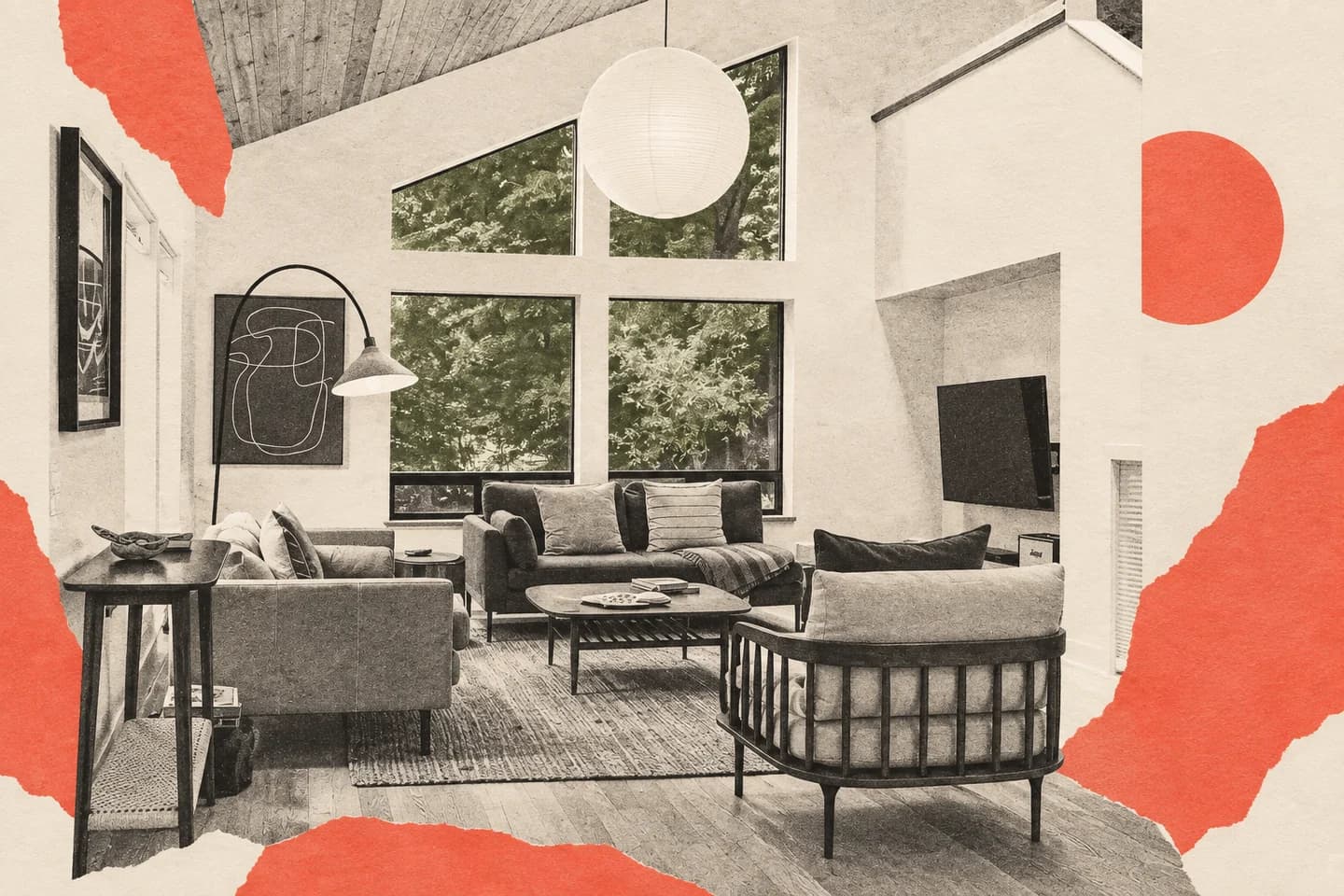
We want every home to feel like a place where guests can settle in, breathe a little deeper, and enjoy being together.
Five ideas guide every home we buy:
- Peaceful retreats in wild places
- Design primarily for women
- Accessible, intentional design
- Two hours from a major metro
- Homes we'd want to use ourselves
These five ideas have guided us for four years, though this is the first time we've written them down. They're roughly right, not perfect, and they'll keep changing as we learn. If you host, or you're looking for your first place, I'd love to hear what has guided you.
Peaceful retreats in wild places
A small cabin in the high desert. A remote coastal home. A rustic chalet in the mountains. What they share is quiet: places where the only sound cutting the silence is the occasional animal.
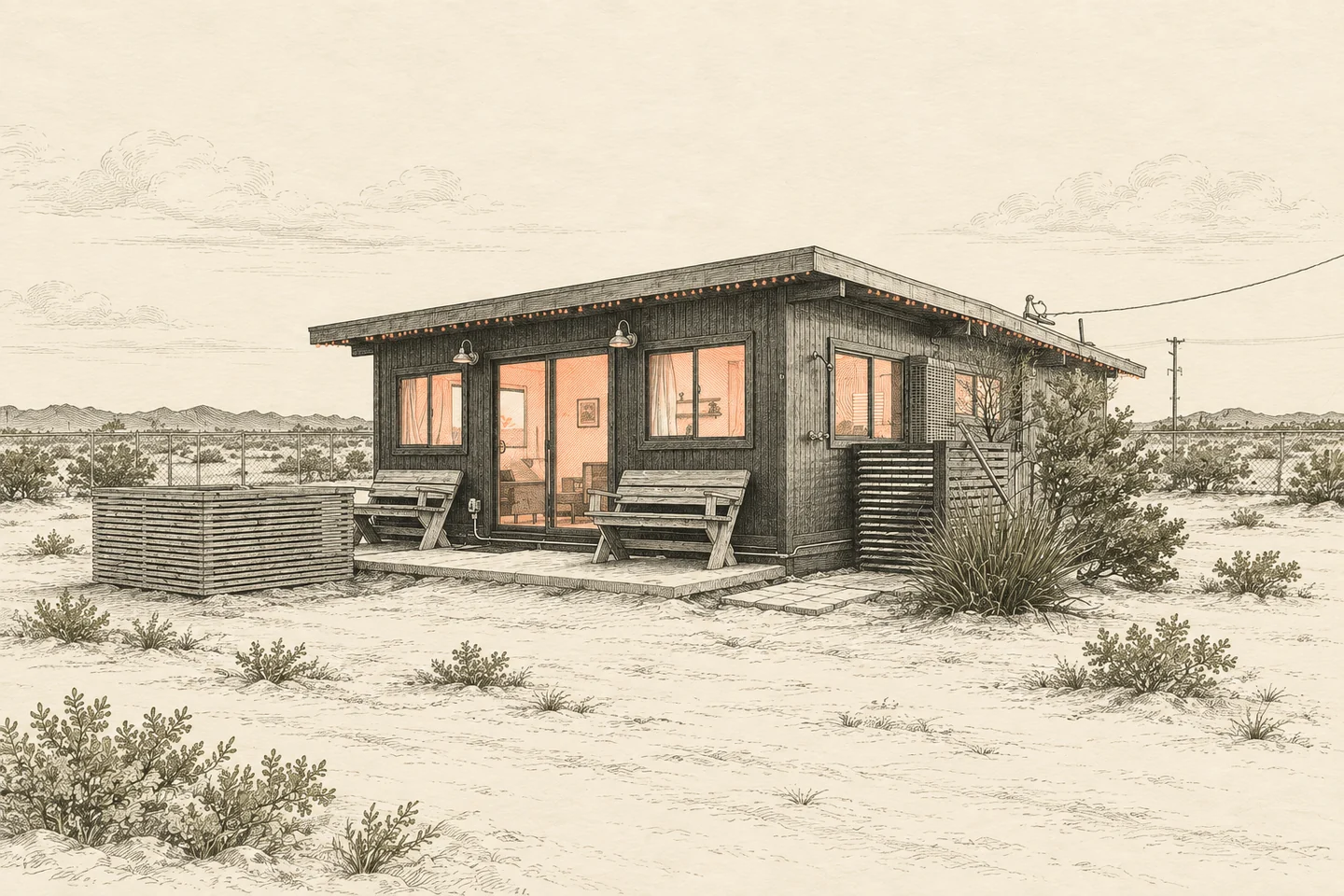
We buy where the map is empty, and we do it on purpose. People keep leaving rural and exurban towns for careers in cities, which only sharpens the appetite to escape those cities. Our guests are buying two nights of nothing: time to think, alone or with someone they love, close to something wild.
Design primarily for women
Everyone travels. Not everyone feels safe, welcome, and at ease when they do. Women hold a higher bar on all three, and clearing that bar signals that we paid attention. Get it right for women and it tends to work for everyone else.
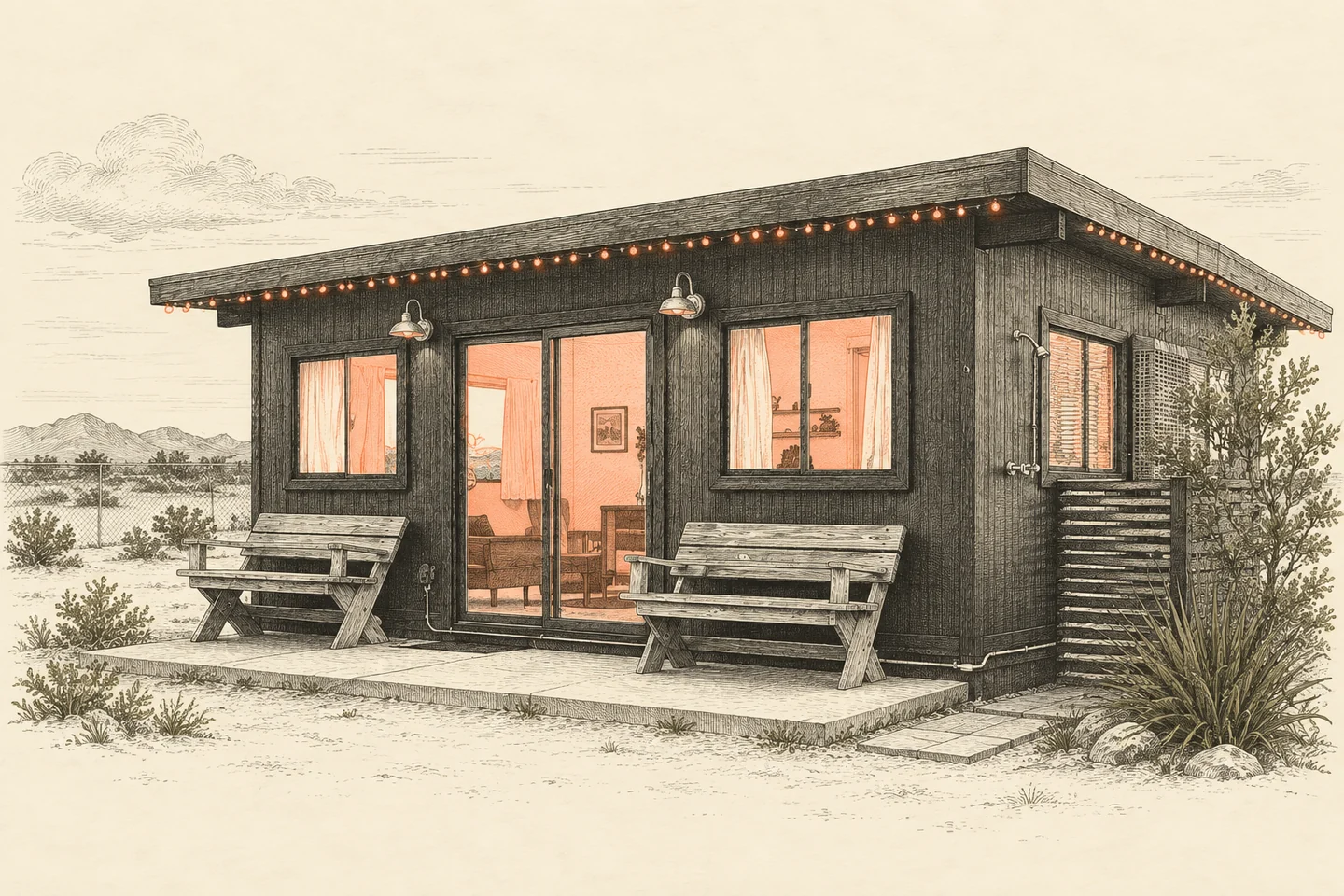
There's a practical case too. In our experience, women are more likely to travel with friends, to make the final call on a romantic getaway, and to book the trip for the whole family.
What this means in the houses:
- What's lit, and how the property reads on arrival after dark.
- Locks, entry, and what a guest can see from inside before opening the door.
- What's stocked in the bathroom that a hotel wouldn't stock.
We try to send smaller signals too. The vinyl collection in Sonoma spans a wide range of musicians: different races, genders, and sexual orientations. In Joshua Tree, our support for the LGBT community shows up in lighter ways, like stickers affirming that everyone's welcome. Most guests won't notice. A few will.
Accessible, intentional design
We never price at the top of a market. The trade is a fair rate for design you can feel, and guests read that trade immediately: from the photos, and again the moment they walk up to the house.
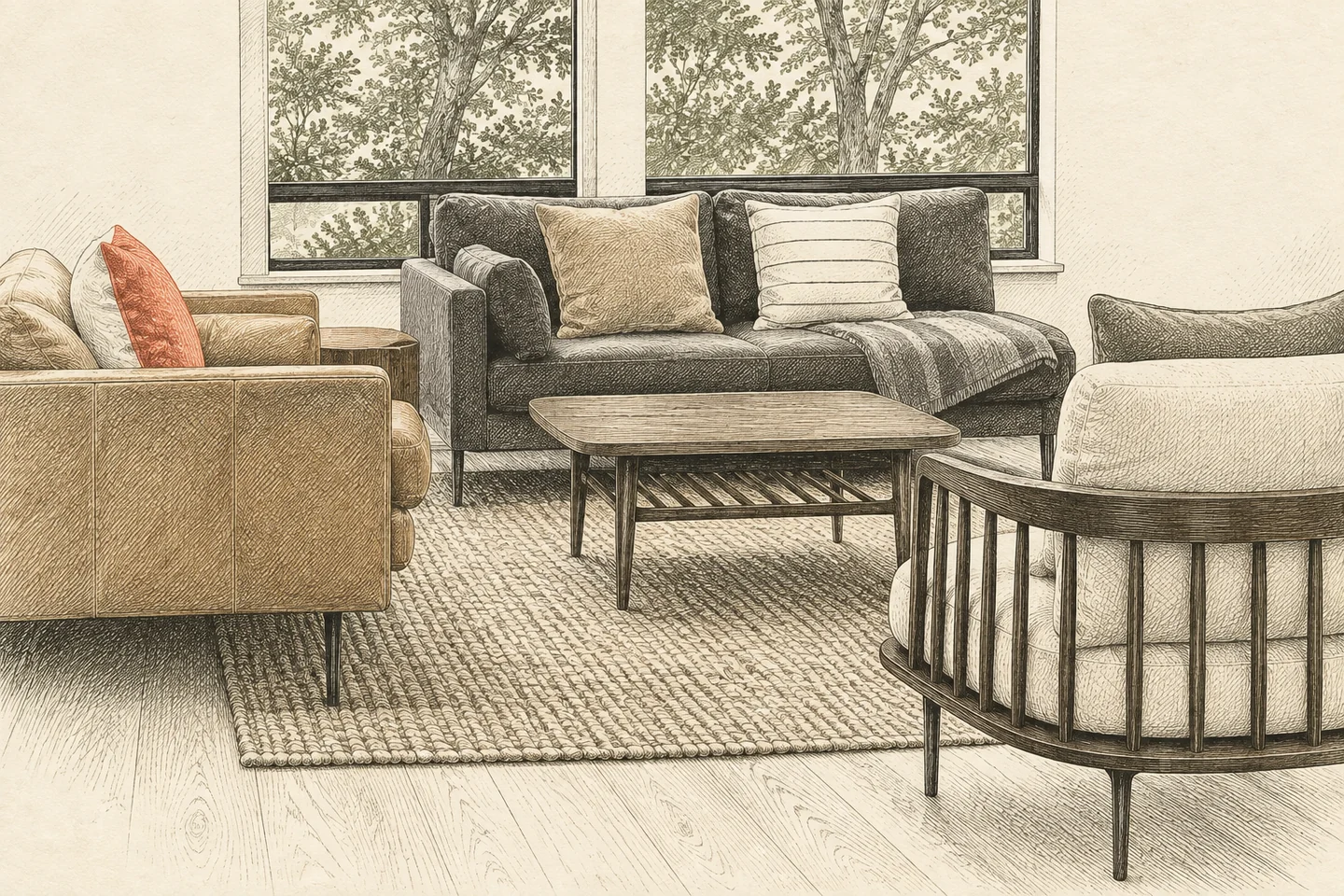
When it lands, something strange happens: guests are horrified when they break something. Telling them not to worry about it produces gratitude out of all proportion to a chipped bowl, and usually a glowing review. We build breakage into operating cost. We don't ask guests to pay for accidents.
The trade is a fair rate for design you can feel.
Two hours from a major metro
Every home we own sits one to three hours from a major city and an international airport. Joshua Tree serves greater Los Angeles. Our Sonoma Coast home serves the Bay Area and Sacramento.
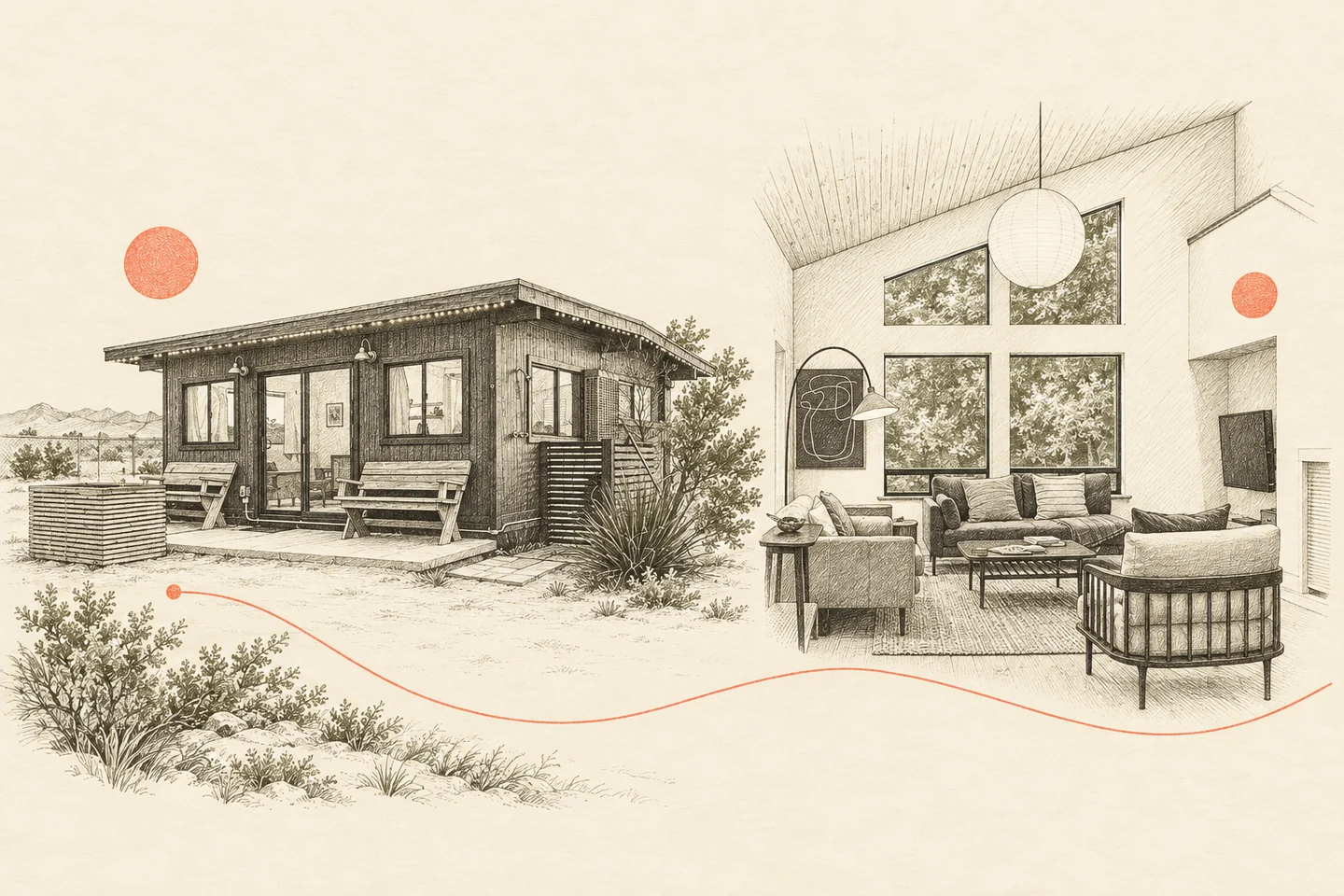
The distance is the product. Two hours means a guest can decide on Friday morning and be at the house by dinner: no flights, no planning, no time off. That's the booking we're built for.
We stay out of prime residential real estate in cities and suburbs, where a short-term rental takes a home off the market for a working family. We look for traditional second-home markets with enough affordable housing nearby to support the people we rely on: cleaners, handymen, electricians, and the teachers, nurses, and other essential workers the town relies on.
Homes we'd want to use ourselves
We treat each home as its own product, with its own guests and its own position in its market. But the design is personal. The house is a reflection of us.
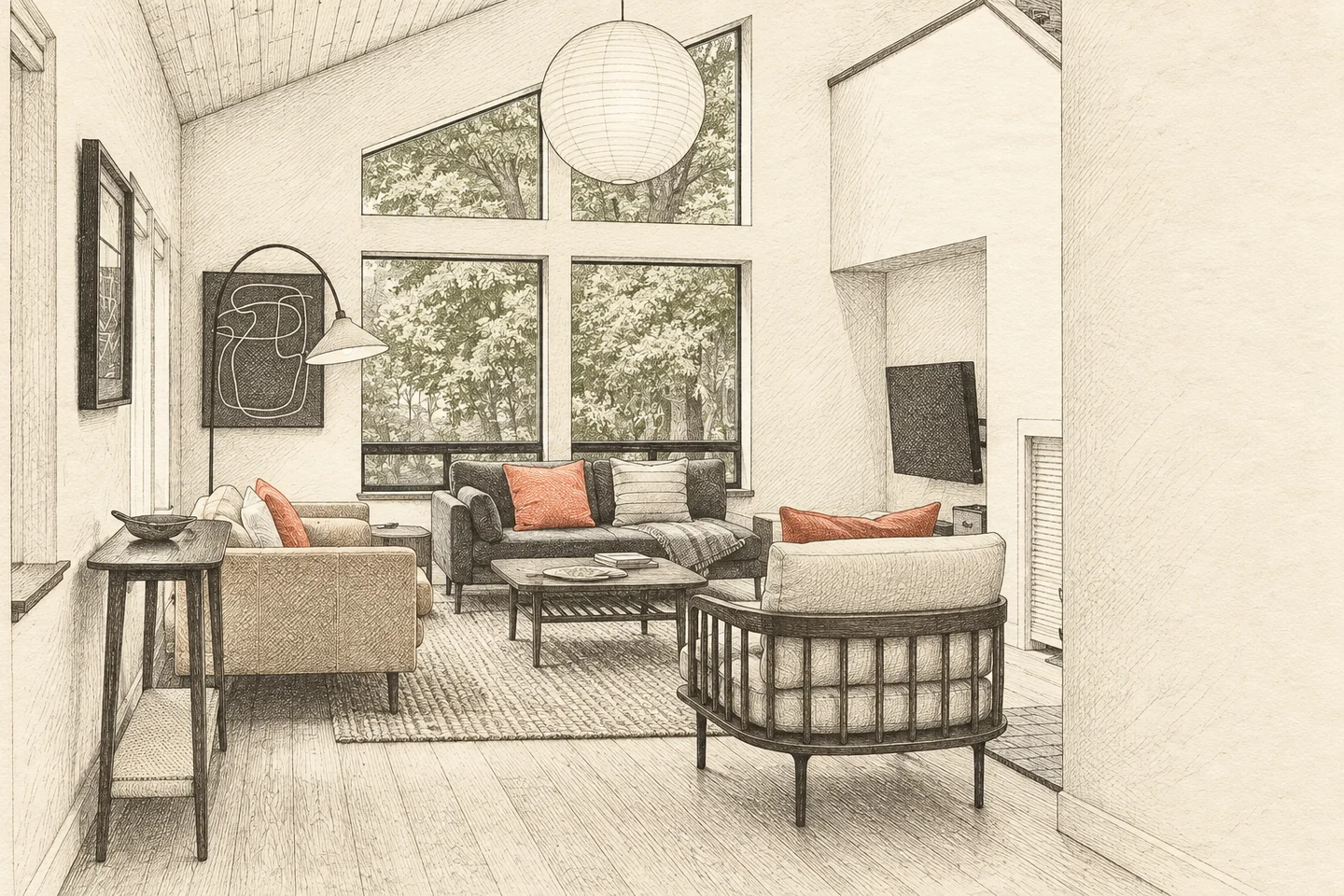
We will never buy a party house in a party town because the numbers work. We're looking for places we'd bring our own kids and other families: outside all day, then cooking dinner together over wine with a fire going, talking.
That's the test: is this a good, honest product someone will want to come back to, and tell their friends about?
We do care about the money. We're just working on a different clock: building the portfolio slowly, over decades, with our own capital. The debt gets paid down. Nightly rates have risen 1-4% a year without our doing anything. Reviews compound, and the asset appreciates. Do that long enough and you end up owning homes in places you love, in a position to actually use them.
More to come. If you host, I'd love to hear what the work has taught you.
Share what hosting has taught you